
AI
Kimi K3: The Hot AI Model to Watch Right Now
A practical look at Moonshot AI's Kimi K3, why it is trending, how its benchmarks compare, and where it may or may not be useful today.
A
Written byasta-nguyen
21 Jul 20261 min read64 views
#Kimi K3: The Hot AI Model to Watch Right Now
Moonshot AI's Kimi K3 is one of the hottest AI releases of July 2026. The short version: it is a 2.8 trillion-parameter, 3T-class Mixture-of-Experts model that is trying to bring near-frontier performance into the open-weight world. It is not simply another chatbot launch. It matters because it combines three things developers care about: very large scale, a 1 million-token context window, and strong coding benchmark results.
The important caveat: as of July 21, 2026, Moonshot says Kimi K3 is available through Kimi products and API, but the full model weights are planned for release by July 27, 2026. So it is best described as an open-weight release in progress, not a fully inspectable model ecosystem yet.
#Why Kimi K3 Is Getting Attention
Kimi K3 is hot because it appears to narrow the gap between Chinese open-weight models and the best closed models from the US. Moonshot says the model uses Kimi Delta Attention, Attention Residuals, and sparse MoE routing that activates 16 of 896 experts per token. That matters because a 2.8T-parameter model would be extremely expensive if every parameter were active on every token.
The launch also arrived at a sensitive moment. AP reported that demand was high enough for Moonshot to pause new subscriptions after rollout, with the company saying demand had pushed close to current capacity limits. That is a useful signal: benchmark buzz became real usage pressure very quickly.
#Benchmarks: How Strong Is It?
The benchmark story is strong, but uneven.
On Artificial Analysis, Kimi K3 scores 57 on the Intelligence Index and ranks near the top of the tracked model set. That puts it in the leading-model tier and reportedly competitive with models such as Claude Opus 4.8 and GPT-5.5, while still behind the very top frontier models such as Claude Fable 5 and GPT-5.6 Sol.
The biggest headline is coding. Arena reported Kimi K3 at number one on the Frontend Code Arena leaderboard with 1,679 points, ahead of Claude Fable 5. That is the result driving much of the current excitement, because frontend generation is easy for developers to test and compare visually.
But benchmark strength is not the whole story. Artificial Analysis also flags Kimi K3 as slow and verbose: around 39 tokens per second, a 1M-token context window, and high output-token usage during evaluation. Its API pricing is listed at $3 per 1M input tokens and $15 per 1M output tokens, which is not cheap compared with many models in similar price tiers.
#Is It Better Than Claude, GPT, Gemini, or Qwen?
Not universally.
Kimi K3 looks especially interesting for frontend coding, long-context work, and teams that want open-weight optionality. It does not appear to be the clear overall best model across every benchmark. The stronger interpretation is that Kimi K3 is now part of the top conversation, especially for developers evaluating alternatives to closed frontier APIs.
Other hot models right now include Alibaba's Qwen3.8 Max, Zhipu's GLM-5.2, DeepSeek V4, Claude Fable 5, GPT-5.6 Sol, and Google's Gemini 3-class models. The trend is clear: the gap between closed frontier systems and open or open-weight systems is shrinking, and price/performance pressure is increasing.
#Practical Takeaway
If you are choosing a model today, Kimi K3 is worth testing for:
- frontend UI generation
- agentic coding workflows
- long-context document or repository analysis
- teams that want future open-weight deployment options
It is less obviously ideal if you need fast responses, predictable low cost, or mature production stability right now. The paused subscriptions and compute-pressure reports suggest demand is ahead of available capacity.
My read: Kimi K3 is not a clean "best model in the world" story. It is more important than that. It shows that open-weight frontier models are becoming serious enough to pressure the closed-model market on benchmarks, pricing, and developer mindshare.
Sources:
- Moonshot AI Kimi K3 tech blog: https://www.kimi.com/es-419/blog/kimi-k3
- Artificial Analysis Kimi K3 benchmark page: https://artificialanalysis.ai/models/kimi-k3
- Arena Frontend Code ranking announcement: https://x.com/arena/status/2077824029126504525
- AP News on Kimi K3 demand and subscription pause: https://apnews.com/article/kimi-k3-china-ai-model-us-4c66a2e0f557ce79d3cc2d769c9a6226
- VentureBeat launch coverage: https://venturebeat.com/technology/chinas-moonshot-ai-releases-kimi-k3-the-largest-open-source-model-ever-rivaling-top-u-s-systems
Filed under
AI LLMKimi K3
A
View all postsAbout the author
asta-nguyen
Sharing ideas and building in public.
Loading comments...
Keep reading
More from asta-nguyen
 AI
AI OpenSpec: A Lightweight Spec-Driven Development Framework for AI-Assisted Coding
OpenSpec is an open-source, lightweight spec-driven development (SDD) framework that helps human developers and AI coding agents align on what to build before code is written. This article covers its philosophy, workflow, and how it fits into the modern AI-assisted development landscape.
A1 min
 AI Featured
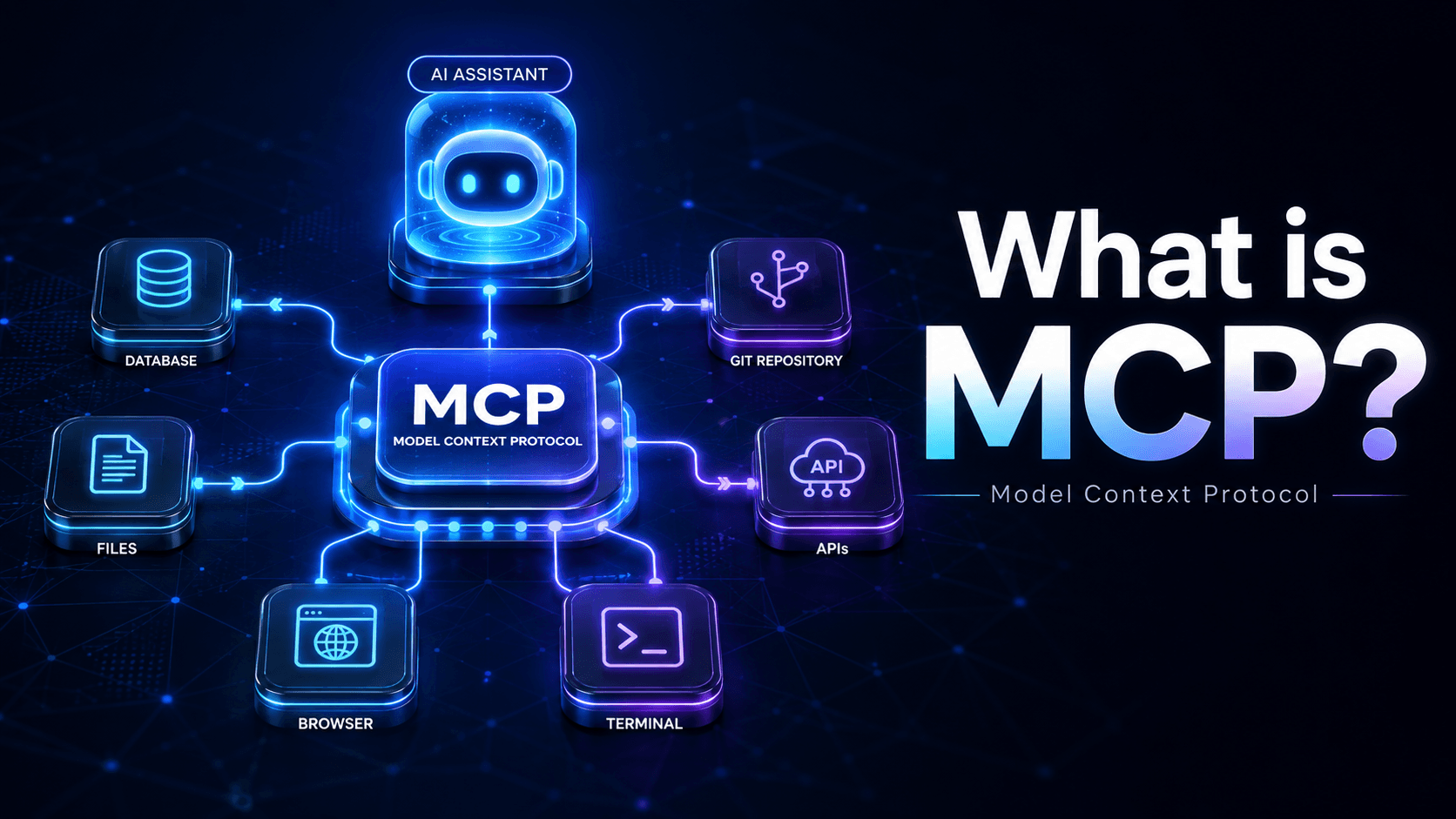
What Is MCP? How to Build an MCP Server, Define Tools, and Connect Apps or Agents
A practical guide to MCP: what it is, how it differs from REST, how to design reliable tools, how to build a minimal MCP server, and how apps or AI agents connect to it in production.
A1 min
AI Agent DevKit: A Practical Workflow for AI Coding Agents
Agent DevKit is a lightweight workflow for reliable AI-assisted development: focused skills, approval-gated planning, systematic debugging, an Obsidian-friendly source-grounded wiki, and optional OpenEZ code intelligence.
A0 min